
It is estimated that we need approximately 500 mg of sodium daily. Health organizations have been emphasizing the importance of salt for a long time. Salt is important for the human body and let us read in detail why is salt important for you.

Sodium is required to conduct nerve impulses, contract and relax muscles, and maintain the proper balance of water and minerals. Therefore, Salt is the most significant source of sodium in your diet. Salt or sodium chloride (NaCl), comprises 40% sodium and 60% chloride.
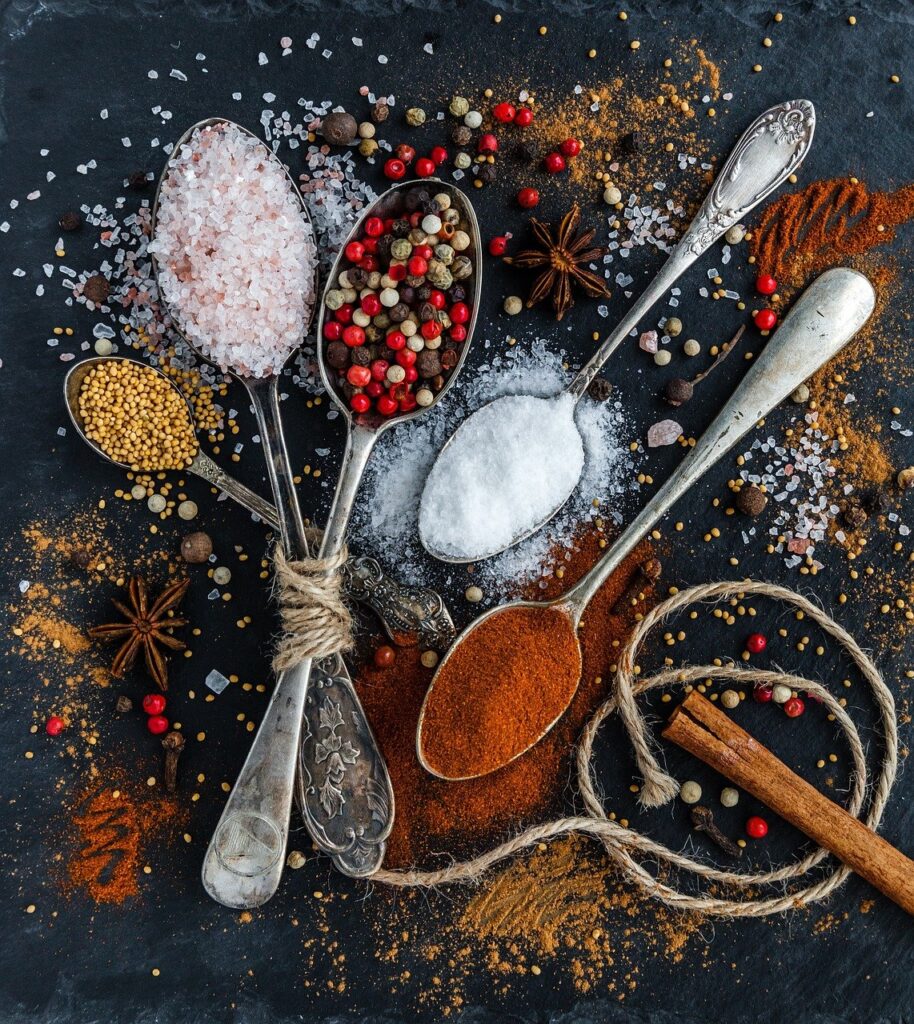
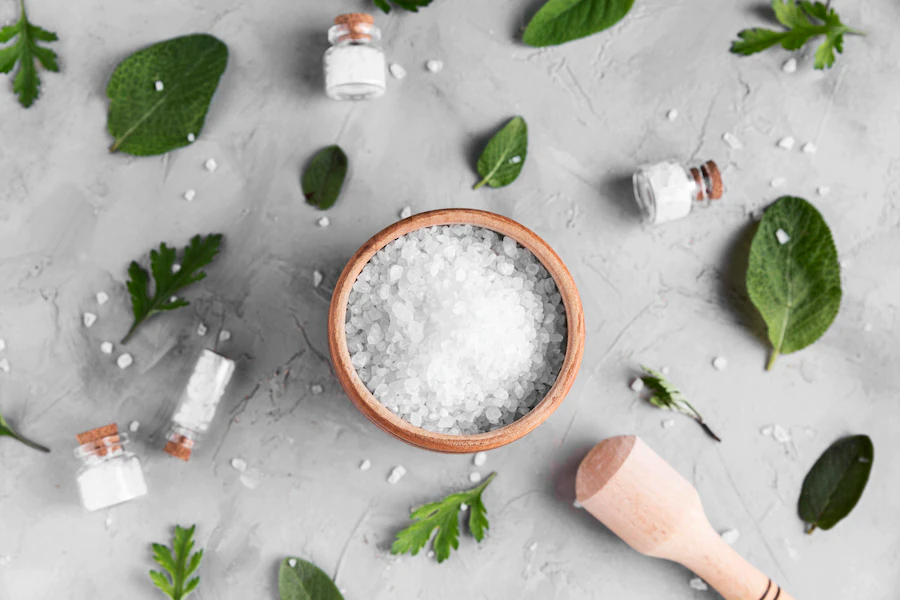
Some salt varieties are fortified with iodine, iron, folic acid, or a combination of these. For example, table salt often contains added iodine. Sodium is essential for many essential body functions, including fluid balance, nerve health, nutrient absorption, and muscle function. Countless foods contain sodium — even foods that may taste sweet, such as bread, cereals, cured meats, sauces, condiments, cereals, chips, crackers, and soups. Historically, salt has been used to preserve food. High salt concentrations help prevent bacterial growth that can cause food to spoil. Salt is typically harvested from salt mines or by evaporating seawater or other mineral-rich water. Many types of salt are available. Popular varieties include plain table salt, Himalayan pink salt, and sea salt. These may vary in taste, texture, and color.

Salt flavors food and is used as a binder and stabilizer. It is also a food preservative, as bacteria can’t thrive in the presence of a high amount of salt. The human body requires a small amount of sodium to conduct nerve impulses, contract and relax muscles, and maintain the proper balance of water and minerals. Although salt is vital for us, too much sodium in the diet can lead to high blood pressure, heart disease, and stroke. It can also cause calcium loss. It is estimated that Americans’ consumption of salt per day is at least 1.5 teaspoons which contains far more than our body’s requirement. This daily intake is likely to cause harmful effects on health.

The guideline for Adequate Intakes (AI) of sodium for men and women 14 years of age and older and pregnant women, is 1,500 milligrams a day. Reduction of sodium intakes below the CDRR lowers the risk of chronic diseases. According to the CDRR lists the maximum amount to consume salt for chronic disease reduction for men and women 14 years of age and older and pregnant women. is 2,300 milligrams a day.
A high amount of sodium increases both the amount of fluid surrounding cells and the volume of blood in the bloodstream. Increased blood volume increases more work for the heart and more pressure on blood vessels. This extra work and pressure can stiffen blood vessels, leading to high blood pressure, heart attack, and stroke, and heart failure. Decades of research have observed that too much salt can damage the heart, aorta, and kidneys and that it may be bad for bones, too.

Read more blogs about the health risks and diseases related to salt and sodium by subscribing to our website.