We already know we need vitamins and minerals to develop and function normally. Let us read this article to learn more about the minerals that keep you healthy.
The vitamins like A, C, D, E, and K, B folic acid, and minerals like calcium, phosphorus, potassium, sodium, chloride, magnesium, iron, zinc, iodine, sulfur, cobalt, copper, fluoride, manganese, and selenium are important for health. We can meet our mineral requirements through healthy forms of foods.

Multivitamin or Supplements
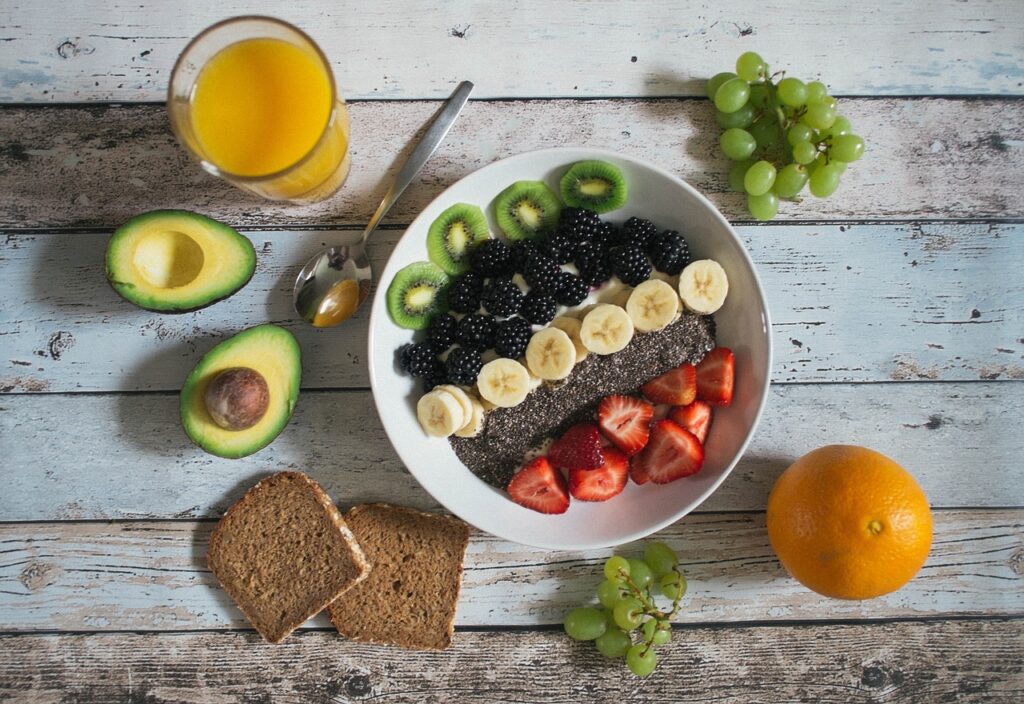
Food is important for a healthy diet. It provides us with vitamins, minerals, fibers, and other substances that can provide health benefits. Vitamins such as A, D, E, and K are found in animal fats, vegetable oils, dairy foods, liver, and oily fish. Vitamin C, B and folic acid) are mainly found in fruit and vegetables, grains, milk, and dairy foods. Minerals are found in Meat, cereals fish, milk and dairy foods, fruit and vegetables nuts.

Iodine
Another essential nutrient that our body needs is trace elements. Trace elements are iodine and fluorine. These trace elements are found in foods such as meat, fish, cereals, milk and dairy foods, vegetables, and nuts. Iodine helps to make thyroid hormones. Thyroid hormones control the body’s metabolism and help in proper bone and brain development during pregnancy and infancy. Therefore, iodine is important, especially for infants and women who are pregnant. Per day consumption of iodine varies from age to age. However, if you don’t get enough vitamins and minerals from your food, or have certain medical conditions, you can take the help of supplements.
People who do not use iodized salt. Adding iodine to salt is the most widely used strategy to control iodine deficiency. Women who are pregnant need about 50% more iodine than other women to provide enough iodine for their babies. Surveys show that many pregnant women in the United States may not get quite enough iodine, although experts do not know whether this affects their babies. Seafood, eggs, milk, and milk products are among the best sources of iodine. People who don’t eat much of these foods or don’t eat them at all might not get enough iodine.
What happens if we don’t eat enough iodine?
People who don’t get enough iodine cannot make sufficient amounts of thyroid hormone. This can cause severe problems in pregnant women such as permanently harming the fetus by causing stunted growth, intellectual disability, and delayed sexual development. Pregnant or breastfeeding women need to get enough iodine. The iodine content of breast milk depends on how much iodine the mother gets.
We hope you found this article helpful in knowing about the minerals that keep you healthy. For more such articles please subscribe to our blogs and let us know what more you want to read further in the comment section.