Salt is the most significant source of sodium in our diet and so, some shreds of evidence show that eating too little salt can be harmful. This article will take a detailed look at the Side effects of consuming less salt.
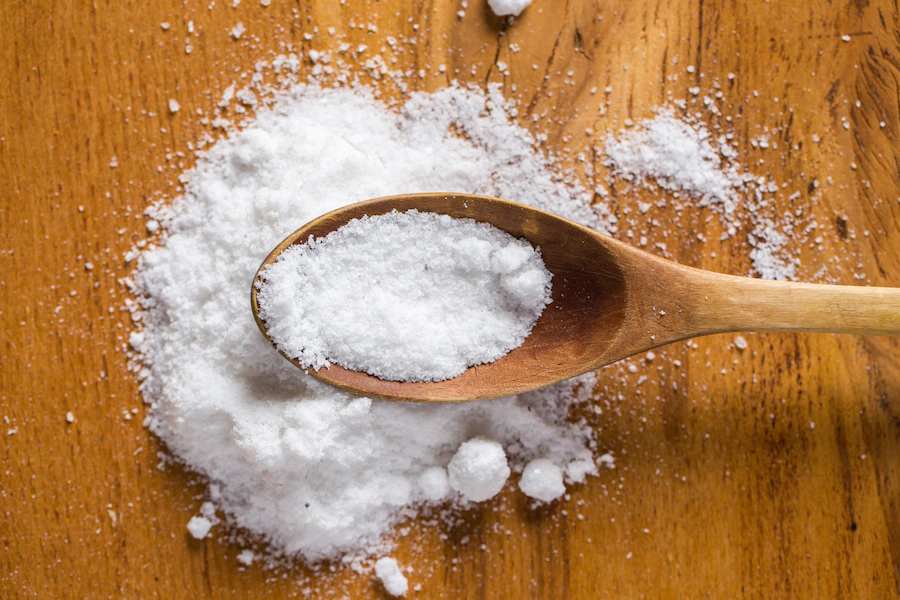
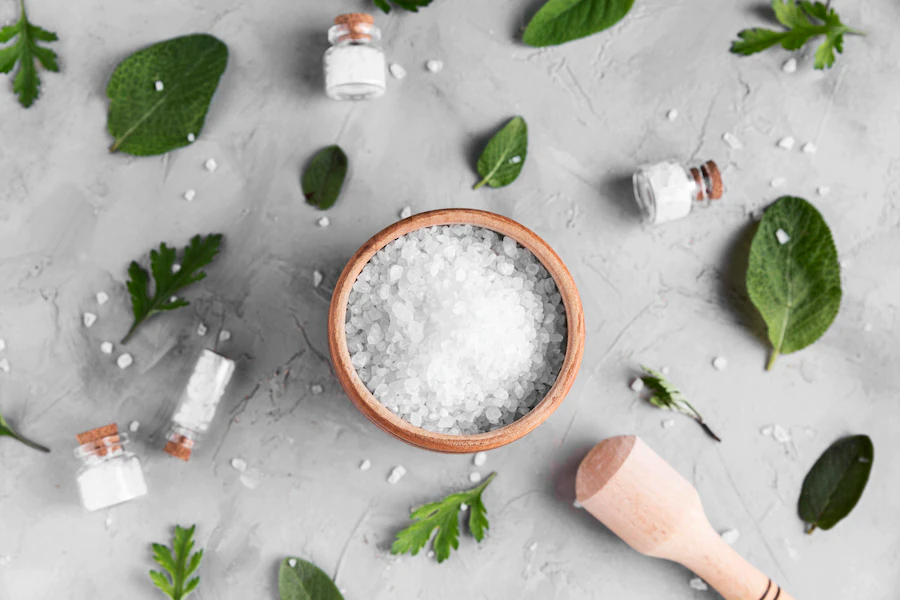
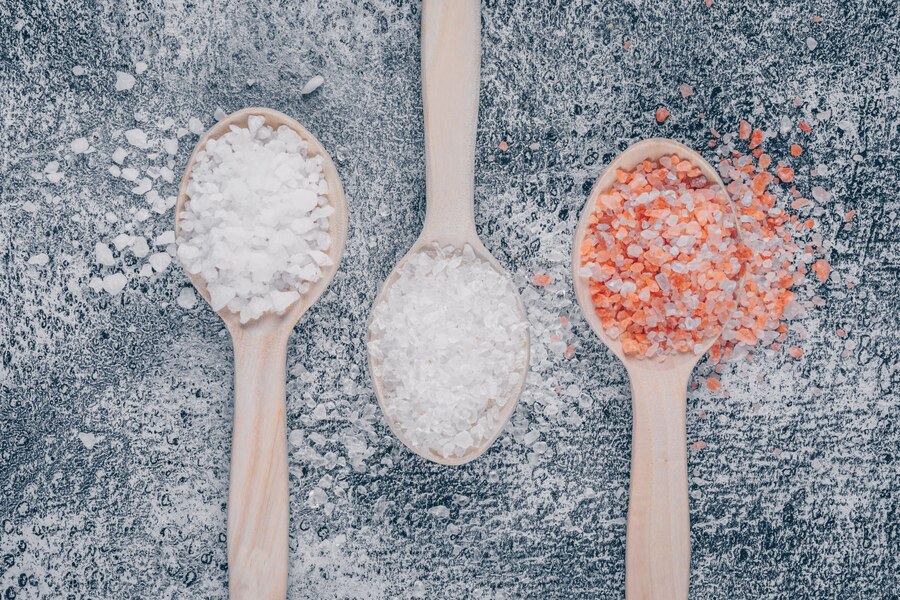
Salt also known as sodium chloride (NaCl), comprises 40% sodium and 60% chloride. But today, the terms “salt” and“sodium” are often synonyms. Good varieties of salts are fortified with iodine, iron, folic acid, or a mix of all of these. For instance, table salt contains iodine in it. Sodium is required for many essential body functions, which are fluid balance, nerve health, nutrient absorption, and muscle function. Almost every process for instance; bread, cereals, cured meats, sauces, condiments, cereals, chips, crackers, and soups contains sodium. Salt has been used to preserve food since time immemorial. Some pieces of evidence prove that high salt concentrations help prevent bacteria from spoiling food. Salt as usual is harvested from salt mines or by evaporating seawater. Many types of salt are available in the market. The most common varieties of salt are plain table salt, Himalayan pink salt, and sea salt. These salts differ in terms of taste, texture, and color.
Side effects of consuming less salt:
Some evidence suggests that having too little salt is as harmful as having too much salt, causing low blood pressure, dehydration, low sodium levels, and elevated blood fat levels. A low salt diet can cause normal blood pressure to become hypotensive, which means our blood pressure is not normal. This can be dangerous and show symptoms that may include dizziness, nausea, fainting, blurred vision, depression, and dehydration. Another risk to our health is hypotension. It is majorly high for those who have had heart failure. So for those who fall into this category, it’s advisable to regularly check their blood pressure levels. Sodium plays a prominent role in managing fluid balance in our bodies. A low salt intake could cause dehydration, which means that you do not have enough fluid in your body. Some common signs of dehydration may include skin changes, mouth dryness, and thirst. If left unrecognized, dehydration can cause hospitalization and in some cases can even lead to death. Adults, especially older people and people with malnutrition are at severe risk of dehydration. It is important to pay close attention to their daily diet.

A low-salt diet can also lead to hyponatremia. Hyponatremia is a condition in which sodium levels in our blood are lower than normal. It is common amongst older adults, as they are at a particularly higher risk. Hyponatremia can lead to falls and other medical complications. People suffering from hyponatremia may feel neurological severe problems, for instance, impaired mental status, seizures, water on the brain, coma, and death. Some people with this condition may even experience gastrointestinal signs like appetite loss, vomiting, and nausea. In any of the above-mentioned symptoms, it’s important to seek medical help. We hope you got a clear idea of the side effects of consuming less salt. For more such content please subscribe to the blogs of everydayconsumerproducts.in